Not all autonomous flowback systems are created equal. Here’s what to look for.

Autonomous flowback isn’t new anymore. Several providers have entered the space since eFlowback launched in 2021 as the first fully autonomous flowback ecosystem in the industry.
That means operators now have options. It also means not all of those options are built the same way. When evaluating any autonomous flowback system, there are four things worth examining closely.
Product quality: Does the system handle the unexpected? Pressure spikes, fluid surges, mechanical failures. A system built around proven sand separation technology holds up differently than one that isn’t.
Safety: How many process conditions is the system monitoring in real time? What happens when something goes wrong? The answer to that question matters more than any spec sheet.
Redundancy: Are there multiple backup systems in place? A patent-pending leak detection system that can identify and address a washed-out valve before an uncontrolled release is the kind of detail that separates engineered solutions from assembled ones.
Cost: The cheapest option upfront rarely stays the cheapest option. A safety or operational issue in the field from an under-engineered system will cost far more than the savings you thought you found.
We wrote an article breaking all four down in detail. Worth reading before your next autonomous flowback decision.
Read it here
Share this Post
More Recent Posts

October 11, 2023
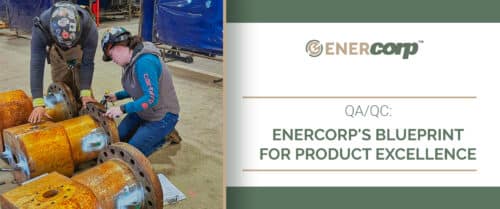
The Impact of QA/QC in Production Fabrication
Announcements, Community, Oil And Gas, Oilfield, oilgas, Production Equipment and Fabrication, QAQC, Quality Assurance, Quality Control, OptionalAt EnerCorp, we understand that when it comes to fabricating equipment, there's no room for compromise. That's why we're unwavering in our commitment to QA/QC at every step of the process....

October 9, 2023
Happy Canadian Thanksgivng
Announcements, Community, Canada Thanksgiving, EnerCorp 1Team, Gratitude, Oil And Gas, Oilfield, oilgas, Thankful, OptionalAs our Canadian team members, customers, and partners gather with loved ones and reflect on the blessings in life, EnerCorp extends our warmest wishes to you and your family. May this day be filled with gratitude, joy, and cherished moments....

October 6, 2023
EnerCorp 1Team in South Texas
Announcements, Community, 1Team, Oil And Gas, Oilfield, oilgas, Safety First, South Texas, OptionalEnerCorp is proud to have been part of Pleasanton's National Night Out, a wonderful evening of community unity and safety awareness. It was a fantastic opportunity for neighbors to come together and strengthen the bonds that make our...